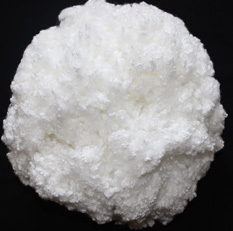
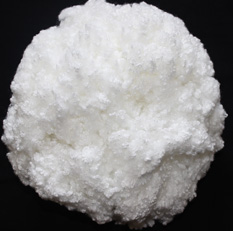
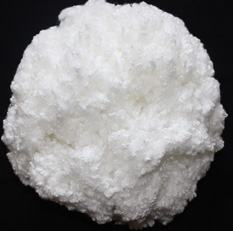
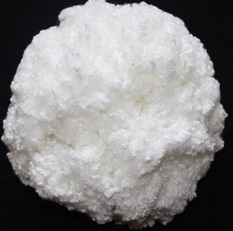
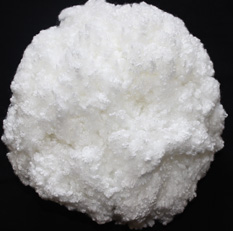
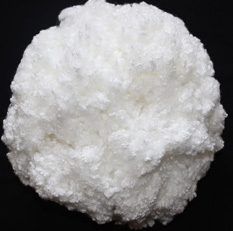
polyester staple fiber
Polyester staple fiber is produced primarily from purified terephthalic acid (PTA) and ethylene glycol (MEG). It undergoes esterification and polycondensation reactions to form polyethylene terephthalate (PET) melt, which is then processed through spinning, winding, drawing, and other post-treatment steps.
Its appearance resembles natural cotton, and it comes in different specifications such as cotton-type and wool-type, meeting diverse needs.
Its performance includes high strength, wear resistance, good elasticity, strong shape retention, good chemical stability, acid and alkali resistance, and resistance to mold and insect infestation.
It is widely used, primarily in the textile industry, where it can be blended with natural fibers such as cotton, wool, and linen to produce various clothing fabrics, including shirts, bedding, curtains, etc. In the nonwoven field, it is used to produce geotextiles, filtration materials, automotive interior materials, and hygiene products. In the industrial sector, it can be used to make ropes, fishing nets, tire cord, etc.